
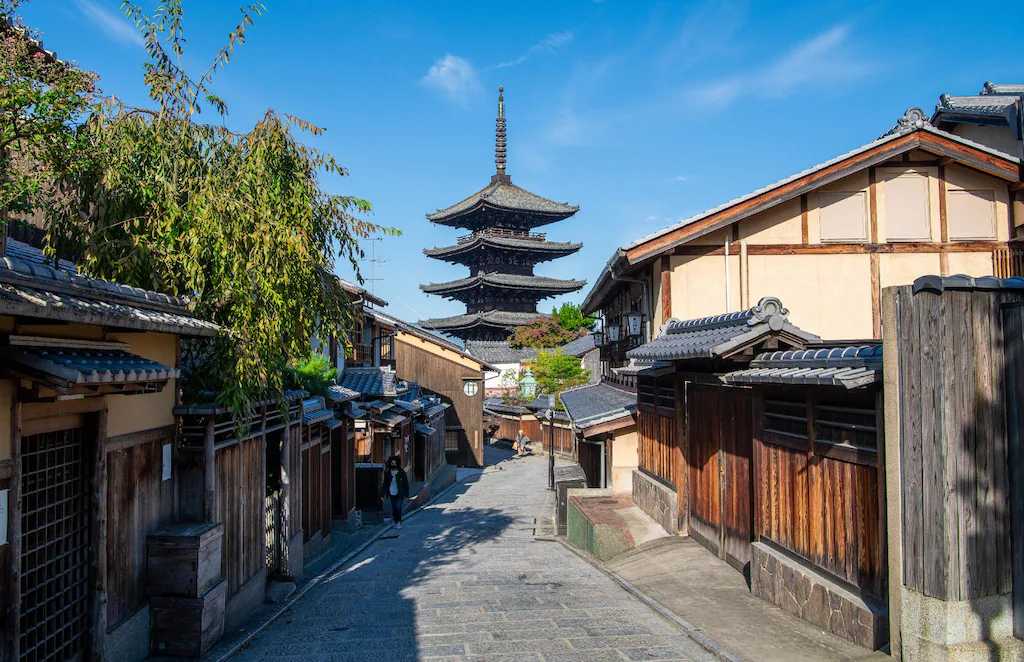
Kyoto vs. Osaka: Which City to Visit?
Kyoto’s temple gardens and historic lanes are reserved for a contemplative journey, while Osaka’s neon-lit streets naturally foster evenings of spirited dining and discovery. Kyoto vs. Osaka is a choice between days steeped in tradition and lively evenings centred around food. Both belong on an itinerary for the Kansai region, but where you choose to stay determines how each day begins and the atmosphere you return to after dark.
This guide considers each city’s attractions, food scene, and travel connections to help you decide. By the end, you may find yourself drawn to one, with a clearer sense of how the other can become part of your journey.
Kyoto vs Osaka at a Glance
| Consideration | Kyoto | Osaka |
|---|---|---|
| Attractions and experiences | Temple gardens, tea traditions, and historic Higashiyama lanes | Osaka Castle, shopping districts, and Universal Studios Japan |
| Food and dining | Seasonal kaiseki, obanzai home-style dishes, and traditional tea houses | Takoyaki, okonomiyaki, and lively restaurant-hopping |
| Evenings and nightlife | Atmospheric dinners and intimate bars around Gion and Pontocho | Neon-lit Dotonbori, bustling dining lanes, and late-night entertainment |
| Transport and day trips | A convenient base for repeated Kyoto sightseeing, with direct Shinkansen access from Tokyo | A convenient base for Osaka attractions and onward outings towards Kobe |
| Accommodation and location | Historic surroundings in Higashiyama or rail convenience near Kyoto Station | Dining and entertainment around Namba or rail connections around Umeda |
Kyoto vs Osaka: Atmosphere and Seasonal Highlights
Kyoto: Temple Visits and Changing Garden Views
Kyoto is a rewarding base if you are fond of visiting seasonal gardens during your trip. Spring blossoms and autumn maples create a defining sight that many come to the ancient capital for. Crowds are expected at celebrated temples, making early visits more advisable if you seek quietude.
Some temples open after dark in autumn, with illuminated maples bringing a different beauty to their gardens. Winter is when the air turns crisp, and the usual garden views assume a barer look. During these colder months, heartwarming tea breaks between outings are just what you need. Snow occasionally dusts the city, but not always.
Osaka: Dining Districts and Festive Evenings
When comparing staying in Osaka vs. Kyoto, an Osaka base appeals if your evenings centre on dining around Dotonbori. The district’s brightly lit streets are where you can try a flavourful plate of takoyaki or okonomiyaki hot from the griddle. Sample a little at several stops or settle into a restaurant for a longer meal.
Winter adds seasonal illuminations around Midosuji and Nakanoshima, inviting a walk before settling into a welcoming restaurant. Snow is rare, but the temperatures tend to drop at night, so make sure to bring extra layers for warmth.
Kyoto vs Osaka: Where to Stay?
Choose your base around the experiences you want nearby. The neighbourhood matters as much as the city.
- Stay in Kyoto for several days of cultural discovery: Staying locally removes the intercity journey before early temple visits and makes an afternoon rest easier. Higashiyama is an ideal neighbourhood, as historic streets are just moments away.
- Stay in Osaka for evenings around Dotonbori: Namba keeps dining and entertainment close, making an extended dinner with your loved ones more comfortable to enjoy. Umeda is worth considering if regional rail journeys feature prominently in your plans.
- Split your stay in both cities: Changing hotels can reduce repeated journeys, but packing and check-in take time too. For a shorter visit, staying near the sights you plan to explore most can make each day easier.
Can You Visit Osaka While Staying in Kyoto?
Yes. JR Special Rapid trains connect Kyoto Station and Osaka Station in approximately 30 minutes, making a day trip practical. Allow extra time for travel between your hotel, the stations, and your chosen sights, and check the last return train before an evening out.
If your journey begins in the capital, our guide to how to get to Kyoto from Tokyo can help you plan your arrival. Once settled at Banyan Tree Higashiyama Kyoto, you can explore Osaka for the day and return to the restful surroundings of Higashiyama to conclude the day in privacy and comfort.
A Restorative Kyoto Base at Banyan Tree Higashiyama Kyoto
The Kyoto vs. Osaka decision becomes clearer when you picture the perfect days you want to have while in this beautiful country. If temple gardens and historic lanes draw you to Kyoto, the good news is, Osaka’s spirited evenings can still be part of your journey.
Banyan Tree Higashiyama Kyoto gives that choice a welcoming sense of place. Its hillside Kyoto accommodation invites a restful return, while seasonal flavours at Ryozen - the refined Kyoto hotel restaurant, deepen your connection to the city. Beyond the sights you visit, there is pleasure in feeling settled somewhere you look forward to returning.
FAQs
Is Kyoto or Osaka better for a first visit?
Kyoto is a strong choice for temple gardens, historic neighbourhoods, and traditional culture. Osaka appeals if food discoveries, shopping, and lively evenings are up your alley. Choose your base around the experiences you want to spend the most time enjoying.
How many days should you spend in Kyoto and Osaka?
Three days in Kyoto and two in Osaka make a useful starting point for a first visit. Allow longer for excursions or afternoons of rest. With fewer days, focus on your preferred city and plan a day trip to the other.
Do you need to change hotels to visit both cities?
No. Regular rail connections make it practical to stay in one city and visit the other. Splitting your stay can be worthwhile for several early starts or late evenings in both cities, though hotel transfers take time too.