
Things to do in Kyoto in Winter
Snow Views, Onsen Trips & Seasonal Dishes
Winter may not be the first season that comes to mind for a visit to Kyoto, yet its magic remains in lesser-known experiences. Kyoto in winter assumes a more understated elegance through temple visits, serene bamboo walks, hot springs, and heartwarming dishes. Snow is an occasional bonus, but the city promises a different, worthwhile experience for those drawn to a more contemplative trip.
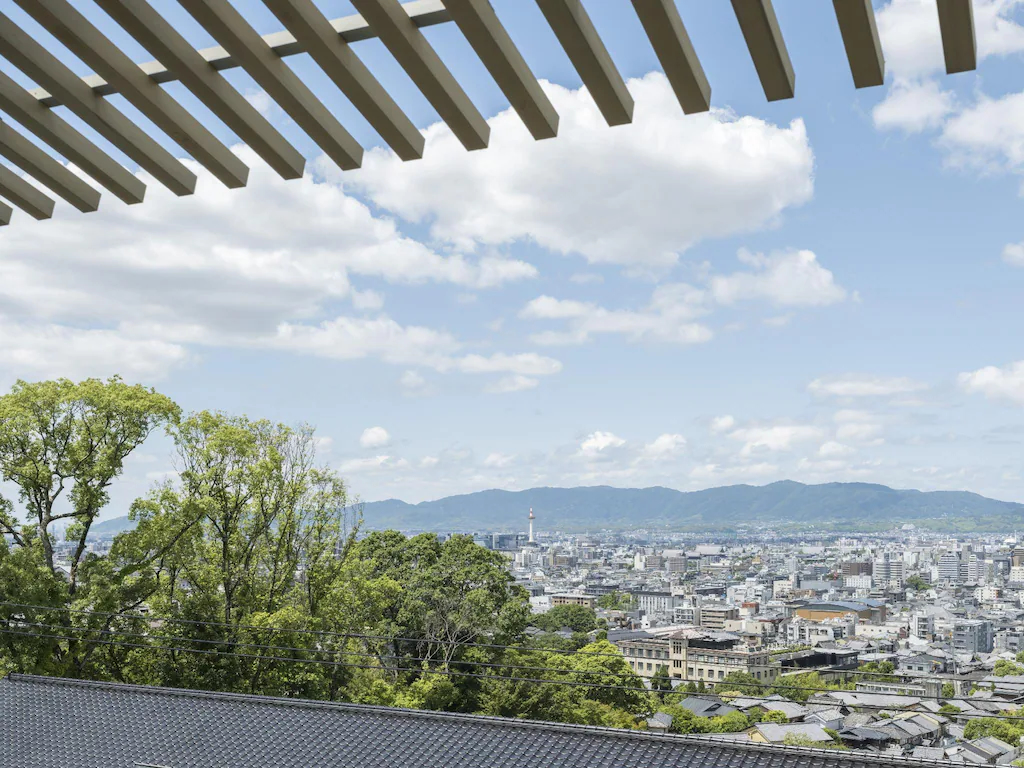
Discover things to do in Kyoto in winter through our guide, with moments to warm up over a steaming lunch after a walk in the cold air. Banyan Tree Higashiyama Kyoto sits quietly on a hill beside Kiyomizu-dera, a welcoming base for your journey and a restful retreat at the day’s end.
What to Expect in Kyoto in Winter
To enjoy winter in Kyoto to the fullest, knowing what to expect should be your priority.
- Winter weather: If you are visiting Kyoto, Japan, in December, bring warm layers for cold mornings and evenings. These remain essential throughout winter.
- Occasional snow: Kyoto receives relatively little snow, so be prepared for a trip where Kyoto snowing may not be guaranteed. That said, the winter scenery here loses none of its appeal.
- Comfortable walking: Choose footwear with good grip for temple steps and stone paths, which can become slippery in wet or icy conditions.
Winter also brings opportunities to explore normally restricted heritage spaces through Kyoto’s annual Winter Special Openings. The participating sites change each year, giving returning visitors something new to discover.
Kyoto Attractions in Winter: Temple Visits, Bamboo Walks, and Cultural Discoveries
Kiyomizu-dera and Kinkaku-ji in Winter
These temples have long been hallmarks of Kyoto, their distinctive architecture especially striking against the subdued winter landscape.
Begin near Banyan Tree Higashiyama Kyoto at Kiyomizu-dera, whose broad wooden stage rests on towering timber pillars, overlooking the city. An early visit offers a contemplative start before exploring the surrounding streets. Across town, Kinkaku-ji’s gold-leaf upper storeys brighten the winter landscape beside Kyoko-chi Pond, each level reflecting a different architectural tradition. Follow the garden route for different perspectives, with fresh snow adding a striking contrast on certain days. Both are brilliant choices among the best temples to visit in Kyoto, giving travellers a fulfilling introduction to the city’s heritage.
Arashiyama Bamboo Forest in Winter
A visit to the Arashiyama bamboo forest in Kyoto in winter reveals towering evergreen stems, with leaves rustling overhead in the cold breeze. Throughout December, January, and February, expect the traditional green bamboo sight. A white dusting is an occasional delight.
While winter may not be the most favourable season, February visits can feel busy, especially along the main walkway as people pause for photographs. Arrive early for a better chance of a calmer stroll, then continue to nearby Tenryu-ji’s garden. The grove itself is a short walk, so allow time to discover its surroundings.
Kyoto Winter Special Openings: Normally Hidden Heritage
Kyoto’s annual Winter Special Openings reveal heritage spaces usually closed to visitors, namely restricted temple halls and treasured artworks. The 2026 edition ran from 9 January to 18 March, offering access to Ninna-ji’s Kannon-do Hall, with centuries-old murals and Buddhist statues, alongside special exhibitions at Kodai-ji.
For journeys in early 2027, a new programme is expected, though dates and venues remain unannounced. It is a good idea to check the official Kyoto tourism website for details before planning your visit.
Onsen Trips Near Kyoto for a Restorative Afternoon
A warm mineral bath can be a thoughtful comfort after exploring Kyoto in the cold. Yunohana Onsen in neighbouring Kameoka embraces a countryside setting for this restorative winter experience. Take the JR Sagano Line to Kameoka Station, then arrange an onward transfer with your chosen ryokan.
Consult the ryokan’s official website to confirm day-use access, private bathing options, and tattoo policies beforehand. Wash before entering and keep towels outside the water.
For guests staying at a retreat with on-site hot springs like Banyan Tree Higashiyama Kyoto, a tranquil afternoon can be spent submerging in the soothing waters close to your room. Paired beautifully with the peaceful winter landscape, the onsen experience is particularly enjoyable during the colder months.
Savour Kyoto’s Warming Winter Dishes
Winter meals give travellers a gentle pause between outings, with Kyoto’s culinary traditions giving each dish a sense of place.
- Yudofu: Soft tofu simmered in a light kombu broth, served with dipping sauces and condiments. Try this delicate dish near Nanzen-ji after exploring the temple.
- Mushi-zushi: Warm steamed sushi, with vinegared rice and toppings that vary by restaurant, often including finely shredded egg, eel, or seafood.
- Seasonal Kyoto kaiseki: A meal composed of small courses, showcasing seasonal vegetables and fish through contrasting textures and cooking techniques. Winter menus may feature tender simmered roots and warming broths.
- Kyoto-style ozoni: Traditionally enjoyed at New Year, this sweet white-miso soup contains round mochi rice cakes, taro, and daikon, sometimes with colourful Kintoki carrots.
For dietary requirements, check stocks and sauces, including those served with tofu dishes.
A Quiet Winter Retreat at Banyan Tree Higashiyama Kyoto
A cosy place to call your own during the chilly winter months of Kyoto is all you need to have a pleasant time in this ancient capital. The hilltop setting of Banyan Tree Higashiyama Kyoto is complemented nicely by the contemporary Japanese interiors, promising a restorative retreat for those who fancy a quiet base.
Your Kyoto hotel room here is not simply a place to sleep. Serenity King’s tatami flooring and wooden soaking bathtub create restful moments after a day outdoors. Exclusive Kyoto hotel offers give you options to extend your stay further, with each day revealing the charm of Kyoto in winter. With somewhere welcoming to return to, even the coldest days can end on a warm note.
FAQs
What should I wear when visiting Kyoto in winter?
Kyoto’s temperatures range from approximately 9-12°C between December and February, with overnight lows around 1-4°C. Pack thermal layers, a warm coat, gloves, a scarf, and a hat, plus thick socks and comfortable shoes with good grip.
Do I need to stay overnight for an onsen trip near Kyoto?
No. Some ryokan in Yunohana Onsen offer day-use bathing, so an overnight stay is optional. Confirm available packages, bathing hours, and onward transport from Kameoka Station beforehand. Private baths may require a separate reservation.
What can I do in Kyoto when it is too cold for sightseeing?
Join an indoor tea ceremony, explore exhibitions at Kyoto City KYOCERA Museum of Art, or enjoy a seasonal meal in a cosy diner. An indoor onsen bath is another warming option.