
LOCAL FESTIVALS
Activities & Experiences
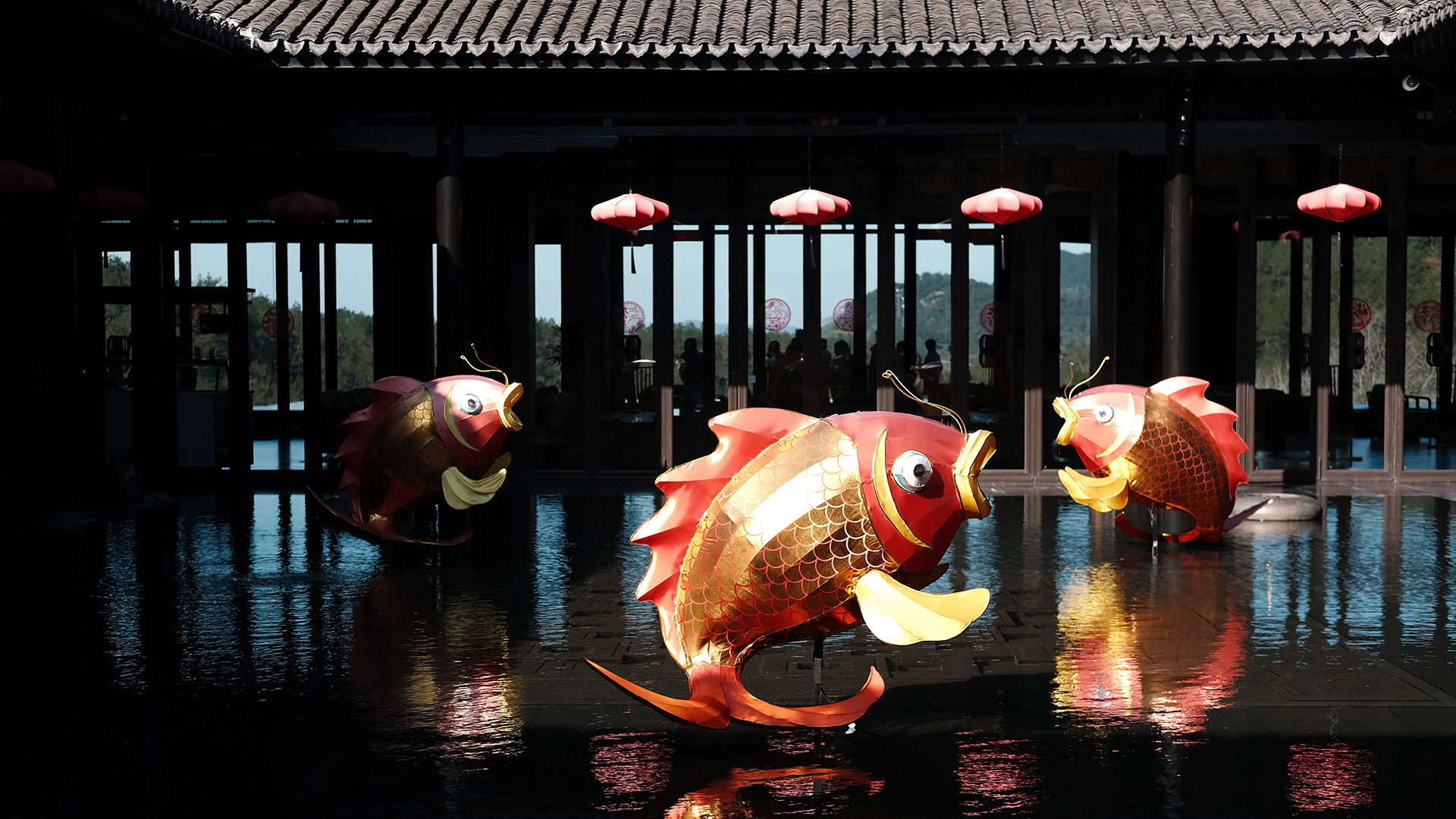
Spring Festival
Typicaly celebrated on 23 December based on the lunar calendar,locals prepare a feast for the celebration, wrapping glutinous rice dumpings and cakes and laying outroasted meat. The celebration of the Spring festival does not end untlthe 15th of the New Year, after the eating of the sticky rice bals.ln some districts, the festival can evenlast until the 30th of January.
She March 3 & Black Rice Festival
Typically celebrated on the 3rd day of the 3rd lunar month, this is the most vibrant traditional festival of the She ethnic community. Locals gather to honor ancestors and celebrate spring, with the signature custom of making black rice—glutinous rice soaked in the natural dark juice of wild vaccinium leaves, then steamed to a glossy, fragrant treat.
During the festival, families prepare feasts, share black rice cakes, and perform age-old traditions: singing folk songs, dancing bamboo dances, and wearing colorful ethnic costumes. The joyful celebration brings villagers together to welcome good harvests, health, and harmony, lasting for several days with lively gatherings and heartfelt rituals.
Anji White Tea Picking Festival
Typically held in late March to early April, this festival marks the most anticipated moment of the year for Anji's tea industry. As the first warm rains of spring water the hills, locals gather to perform the ancient "Tea Ancestor Worship Ceremony", praying for a bumper harvest and sweet fragrance from the leaves.
The highlight is the picking itself. Guests are invited to wear traditional linen clothes and pick Anji White Tea—carefully plucking the tender "one bud with one leaf" under the guidance of skilled tea farmers. After harvesting, witness the delicate process of withering, fixing, and rolling the fresh leaves, then savor the first cup of the year's new tea. With its fresh orchid aroma and mellow taste, this festival offers a serene and immersive journey into the heart of Anji's famous tea culture.