
Ubuyu: The Land Remembered
Ubuyu: The Land Remembered
In Iringa, the wind does not pass through, it stays. It hums through reeds, folds into the red earth, settles beneath the eaves. Ubuyu Escape exists not as a destination but as a quiet conversation with that wind, its decks tracing the ridge, its rooms following the curve of ancient ubuyu trees, creating a soundscape of elemental patience.
Walls are plastered with earth the color of dusk. Shadows soften their edges. Every curve and opening becomes an act of restraint, a practice in belonging to the timeless.
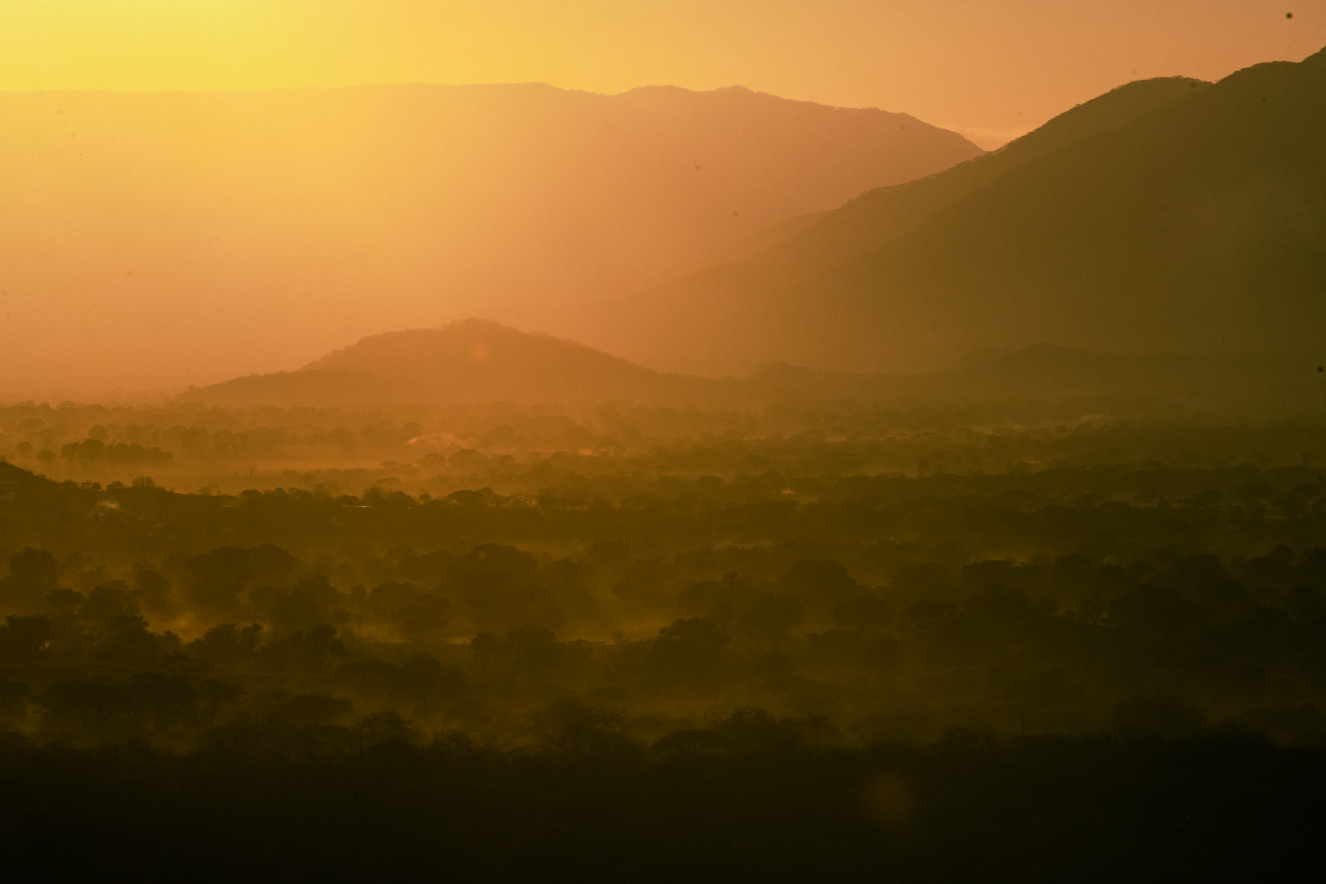
Between nine hundred and two thousand meters above sea level, the Iringa plateau exhales in tones of red and gold. The miombo woodlands breathe in long sighs of honeyed light. Here, soil is not just ground, it is pigment, inheritance, identity, and memory.
The Ruaha River glides more than it runs, tracing arabesques through forest and stone. Termite mounds rise like forgotten shrines. The air holds dust and the faint scent of faraway rain. For the Hehe people, who have long called this plateau home, land is not property but conversation. Homes align with windbreaks; courtyards open to ancestral flow. Even silence here has geometry.
The Hehe built in circles, each enclosure a diagram of belonging. Courtyards were both hearth and heart, where stories were passed like embers. The walls did not exclude; they gathered. That same spiral logic breathes within Ubuyu: verandas turning inward, courtyards inviting the wind to cross, thresholds blurring outside and in. Nothing asserts itself; everything listens, and belongs.
The ubuyu, known elsewhere as the baobab, stands like a fable of endurance. Hollow yet alive, it stores rain through months of thirst. Its fruit sustains villages; its trunk shelters spirits.
Locals tell that the Creator planted it upside down, roots reaching skyward in humility. It is memory made botanical, endurance rendered visible. At Ubuyu Escape, paths bend around these elders. Walls echo their bark’s grain; roofs lift in quiet salute. At dusk, as light thins to copper, the ubuyu stand as silhouettes of breath and time. Beneath one, you feel the land’s history mirrored in its patient stillness.
The highlands of Iringa are shaped by rhythm and survival. Roofs pitch low to meet the wind; eaves stretch to cradle rain; openings frame horizon and breath. At Ubuyu, the same philosophy persists, earth walls that breathe, stone steps that follow the slope, verandas that open to the wind. Corners soften around granite; spaces fold into horizon.
An architecture of listening. Form follows the pulse of place.
Iringa has always lived between endurance and grace. In the late nineteenth century, Chief Mkwawa’s fortress at Kalenga stood against colonial advance, a defiance still sung in the dust. The same hands that built those walls now shape clay, weave cotton, and carve continuity into the everyday.
At Neema Crafts, artisans turn soil, bark, and thread into gestures of renewal. Their patterns are not ornamental but topographical, echoes of terrain made tactile. At Isimila, the earth opens into canyons of ochre and stone. Archaeologists have found tools here hundreds of thousands of years old, proof that this landscape has been teaching human hands since prehistory.
Time in Iringa moves in circles - the builder, the potter, the weaver, each continuing the same dialogue with earth. Ruaha teaches stillness. The soil dries to dust, then becomes river again. The ubuyu sheds its leaves, then blooms from emptiness. To dwell here, or even to pause, is to learn that presence, form, and endurance are inseparable.
At dusk, the property quietens with the valley. Light folds into red; the air turns gold; even silence feels sculpted. Nothing insists. Nothing sells.
Ubuyu Escape offers not escape but return, to rhythm, to listening, to the original covenant between human and earth. In Iringa, the land itself is the first architect. Everything else is interpretation and when night gathers over Ruaha, the wind begins again, softly repeating what the land has always known: that to belong is to remember.