
The Hands Know What The Machine Cannot
Amidst life's digital demands, take a moment to appreciate the creativity, healing, and knowledge hidden in your hands.
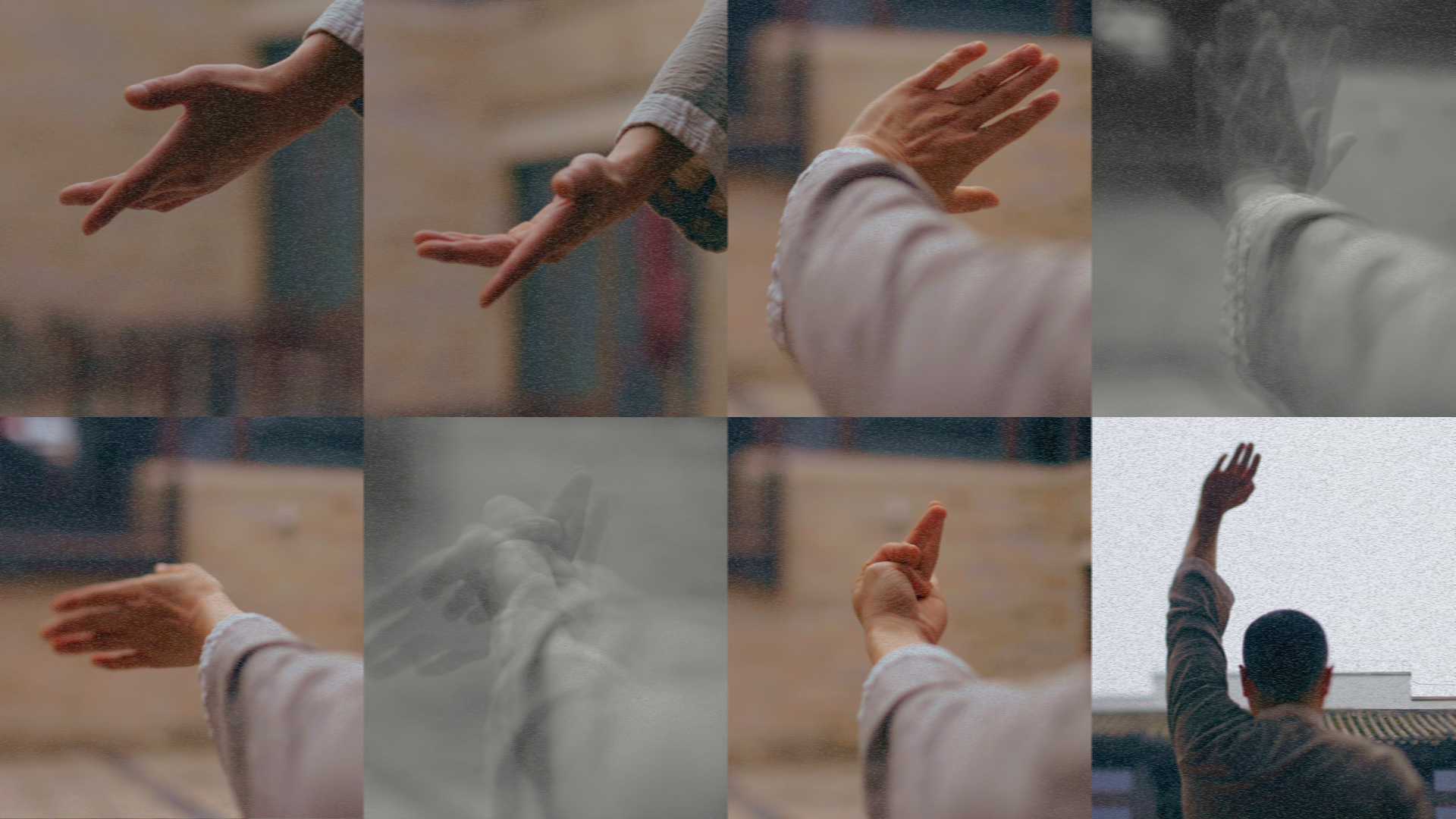
Hands link us to the world.
From our earliest days, we’ve reached out and grasped at the world around us. We tied shoelaces, held hands, tended to wounds, and tested limits. Practice turned into instinct, calluses formed, skin weathered. And hands remembered.
The hands know what the machine cannot, because some knowledge can only exist in the flesh.
THE ART OF TOUCH
The hands are conductors of a life force that the ancient Chinese named Qi. This vital energy flows through the body through meridians, many of which connect directly to the hands. Even the most delicate wrist movements can stimulate a healthy channeling of Qi, and the hands are deeply connected to other parts of the body, including, significantly, the brain.
Working with your hands — even on seemingly simple tasks, like writing or knitting — boosts brain health and reduces stress. In a world of screens, algorithms, and endless information, working with hands is a path to much-needed rest.
Hands are also a gateway to connection. The art of touch is crucial to wellbeing, offering human connection, healing, and sensory relief from digital demands.
TACTILE TRADITIONS
Hands nurture heritage as much as they nurture the individual. Old hands guide young ones. Skills pass from master to apprentice, mother to child. The act of sharing knowledge and practicing traditional craftsmanship — from ikat weaving to intricate lacquerwork — leaves lasting benefits. Personal creativity grows, while an understanding of community values deepens. Intergenerational bonds strengthen, and artistic and cultural heritage are preserved.
The good artist or craftsman has no personal pride, because in his soul he knows that any prowess he shows is evidence of that Other Power.
— Soetsu Yanagi, The Unknown Craftsman
The relationship with the local environment becomes strong and deep-rooted, almost familial. The arrival of monsoons signal when the indigo should be harvested, and how long their leaves should ferment to produce the richest, deepest-blue indigo dye for vivid textiles. Complex resist-dye techniques create rhythmic patterns of fish, waves, or good-luck amulets, telling stories of local river inhabitants and also reflecting community emotions.
Centuries-old Talavera Poblana ceramics are crafted straight from the earth, using locally-sourced clay and adorned in colours made from crushed cobalt, yellow ochre, and other natural mineral pigments. The ceramics must be made of local clays and mineral pigments as well as feature local designs to be considered authentic Talavera Poblana.
Handicrafts are often misunderstood to be mere keepsakes or decoration, but they are physical reflections of an entire community, and the land they live on.
MADE WITH CARE
The matron takes a pinch of ground clove and casts it into her earthen pot. She never looks, she’s never measured. It was always “just a pinch”, but no one else in the household could ever serve up food like hers, with all the warmth and comfort of home. Nothing unites like food. Whether it is a family around a kitchen table, or an entire community working in tandem, harvesting, pickling, and singing in the season’s harvest.
In Japan, the tradition of mochitsuki marks the arrival of the new year. It begins with the essential staple of rice, and the work is shared amongst the community: the soaking, the steaming, and the pounding of glutinous rice grains with a traditional mallet and mortar, until the the rice transforms into a supple pillow of mochi.
These days, the classic Japanese delicacy is more commonly made by machine. But devotees know that the softness and satisfying chew of hand-pounded mochi is unrivalled.
The hands know what the machine cannot: how to hold with warmth, how to labour with love, how to speak and translate the inner language of memory and emotion, in a world that demands they take a shape and form.